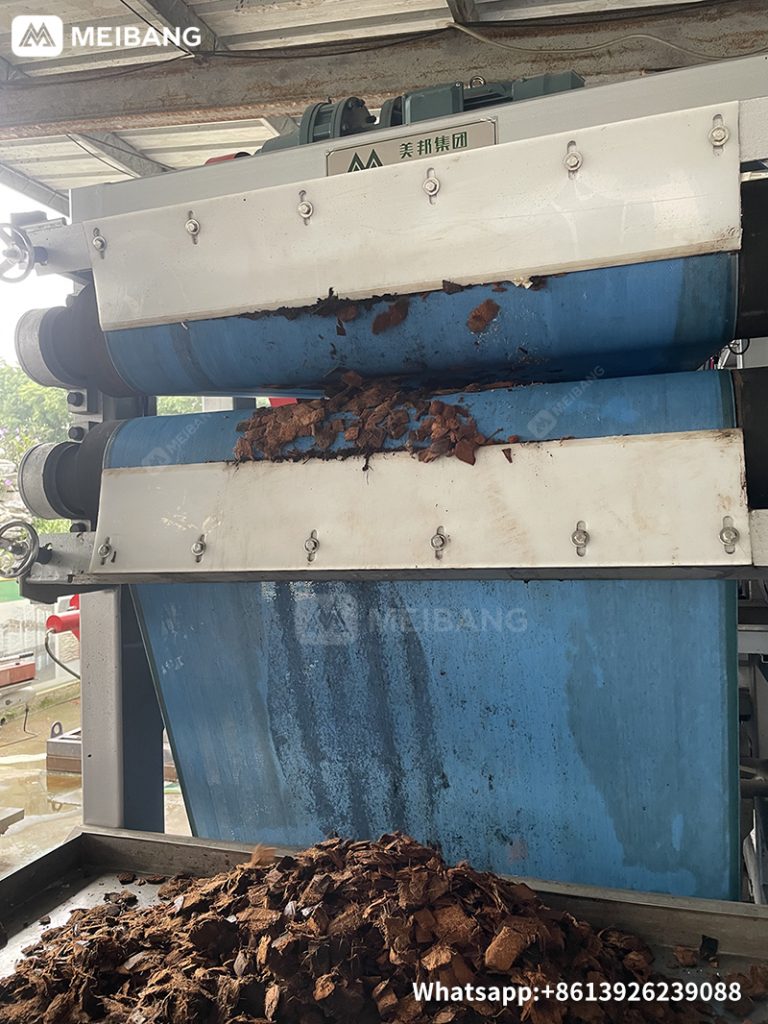
Coconut husk blocks are widely used in horticulture, greenhouse planting, nurseries, and modern agriculture. As global demand for eco-friendly growing media continues to rise, the market for coconut husk products is expanding rapidly. However, after desalination treatment, coconut husk blocks often retain a high moisture content, making transportation, packaging, and storage more difficult.
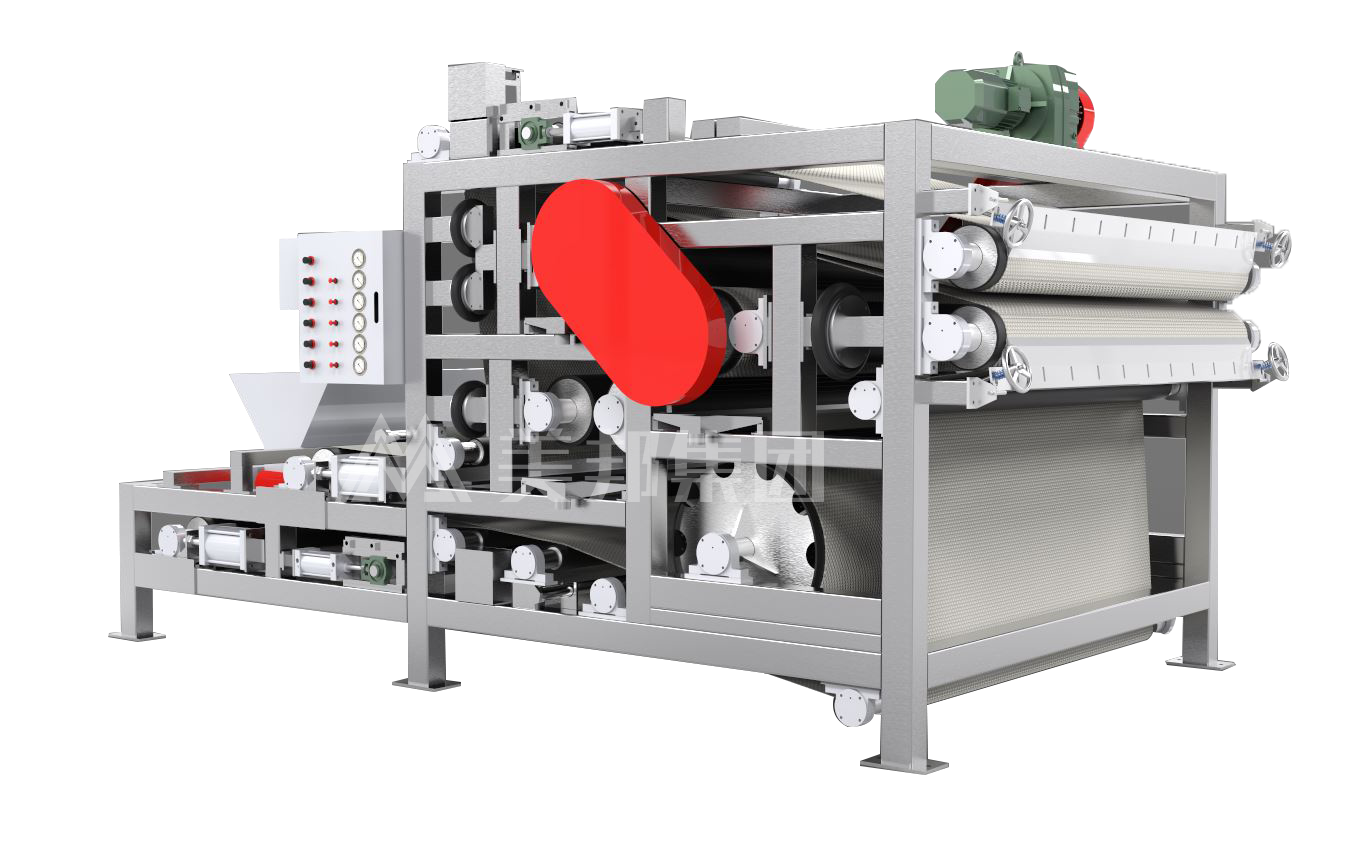
To solve this problem, many producers are turning to coconut husk block dewatering machines for fast and efficient moisture removal.
A coconut husk block dewatering machine is specially designed to squeeze excess water from the material quickly and effectively. Through strong pressing force and efficient dewatering technology, the machine can significantly reduce the moisture content inside the coconut husk blocks in a short time. This helps manufacturers improve production efficiency while lowering labor costs.
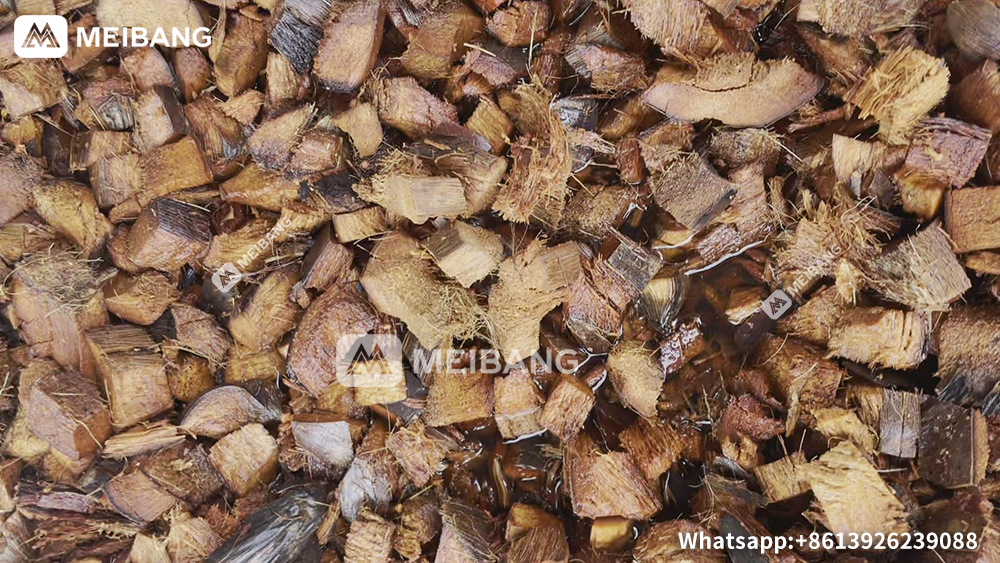
Compared with traditional manual drying methods, the dewatering machine saves a large amount of labor and working hours. Operators can process large volumes of material continuously, making it ideal for small, medium, and large coconut processing plants.
After dewatering, the coconut husk blocks only require simple air drying before they can be directly packaged and shipped. Lower moisture content also reduces transportation weight and minimizes the risk of mold during storage and export.
In addition, the machine helps streamline the entire processing workflow, from desalination to packaging. Faster processing means quicker delivery times and faster returns on investment for coconut processing businesses.
With the growing global demand for coconut-based growing media, investing in a coconut husk block dewatering machine is an effective way to improve productivity, reduce operating costs, and increase profits.